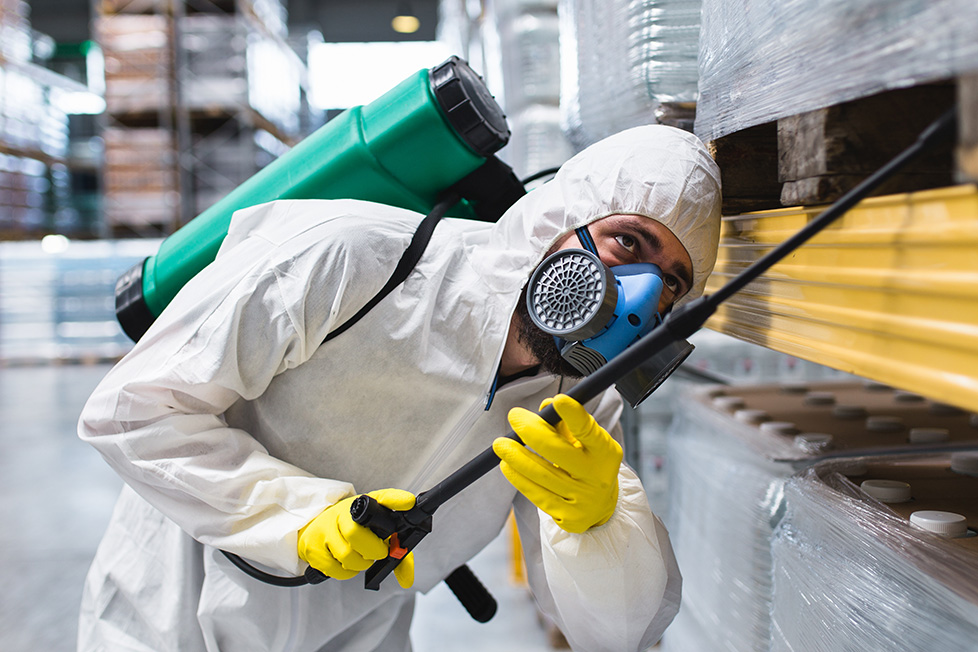
You and your maintenance crew have likely taken great care to keep your properties sanitary and tidy. However even after careful maintenance, buildings can still fall victim to a pest infestation. An infestation describes the presence of any species in numbers that can cause property damage, have health implications for building occupants or present a distracting nuisance. Unfortunately, once pests are noticeable, it often indicates a larger problem, and may even indicate an infestation.
Types of Common Pests
Animals and insects become pests when they take up residence where they don’t belong. These varied and determined creatures can adapt to just about any habitat provided they have food, water and shelter for them to thrive and reproduce. Most pests fall into one of three categories:
Birds Birds that are known nuisances include pigeons, geese, house sparrows, gulls and starlings. In numbers, birds can cause significant damage from droppings and nesting. Bird droppings are highly acidic and can eat through many building materials.
Rodents Rodents can cause a lot of damage by chewing away at material to build nests. Rodent droppings can spread diseases such as salmonellosis. Dry rodent fecal matter can be a hazard if inhaled, causing allergic reactions.
Insects The damage and health problems caused by insects are well known, with fleas and mosquito bites among the more common. Mosquitoes can be especially troublesome to groundskeeping crews or contractors on construction sites. For permanent outdoor spaces, particularly in hospitality settings, electronic bug killers can help. Cockroaches are known to carry a variety of infectious diseases and can cause serious illness.
Pest Control Methods
Ideally, you’ll stop an infestation before it starts. The Environmental Protection Agency lists some basic prevention methods, including:
- Take away food, water and shelter sources where possible.
- Dispose of garbage regularly with a tightly closed lid.
- Reduce clutter or areas where pests can hide.
- Seal and close off any cracks or holes to eliminate outside entry.
But if you’ve tried to head off the problem and haven’t had success, it’s time to take action. There are several categories of pest control methods, however most fall into one of three categories:
Biological This is the use of living organisms to help eliminate the infestation. This can be anything from predators to parasites to pathogens. One of the biggest advantages of natural methods is that they don’t involve the use of chemicals, reducing potential harm to humans or the environment. Most biological methods, however, are only feasible for small pest invasions like insects or plants, and they typically take some time to work.
Chemical Chemical pest control is the use of pesticides to eliminate pests. These solutions are typically easier to find and use than biological methods. Chemical controls often work faster, sometimes delivering instant results once applied. Examples include repellents, which are solutions that deter pests that crawl or fly within your perimeter or insecticides, designed to kill insects. Despite their many advantages, these toxins can pose health and environmental threats upon exposure, but most modern chemical effects are only temporary.
Physical Traps, netting and decoys are examples of physical pest control methods. Some are designed to keep you from dealing with the pests at all, while others may require you to handle a trap and dispose of a pest.
Controlling Types of Pest Infestations
The charts below describe some of the more common problems building and site managers face due to pest infestation and some common methods for eradicating these pests from your property and ground.