Skip to content
Menu
MTI Contractors | Plumbing | HVAC | Roofing | Pest Control
  • Blog
  • Contact Us
  • Services
  • About Us
  • Home
MTI Contractors | Plumbing | HVAC | Roofing | Pest Control

Author: Leon Soto

The Importance Of Pest Control For A Healthy Home

Posted on February 13, 2024February 13, 2024 by Leon Soto

Pests, whether crawling, flying, or scurrying, are unwanted visitors who may turn a warm house into a health threat. Residential pest control is more than just a convenience; it’s essential to a healthy living environment. Understanding the necessity of pest management is critical for protecting your family from infections and maintaining the structural integrity of your home.

The Threat of Infestations

Hidden Health Hazards

Critters like mice and roaches can spread diseases. Their poop, pee, and shed skin can make surfaces dirty, leading to breathing issues and allergies. Getting rid of these pests helps keep your home safe and healthy for your family.

Structural Damage Prevention

Termites can quietly damage your home by chewing through wood, putting its structure at risk. Hiring a pest control expert doesn’t just get rid of existing termite groups but also prevents future attacks, keeping your home safe.

The Role of Residential Pest Control

Early Intervention with Regular Inspections

Getting regular checkups for pests is like giving your home a health check. It helps find issues early on before they turn into big headaches. Fixing a small pest problem is easier and cheaper than dealing with a full-blown bug invasion. So, it’s wise to have these inspections and keep your place pest-free without breaking the bank.

Integrated Pest Management (IPM) Strategies

Keeping bugs away at home is like a long-term plan instead of a quick fix. Integrated Pest Management is the key here. It thinks about the environment and uses different methods to control pests without using too many harmful chemicals. It’s an intelligent way to keep your home bug-free.

Customized Solutions for Specific Pests

Dealing with pests is not a one-size-fits-all situation. When you hire pros to handle pest control, they tailor their methods to the problems bugging you at home. This personalized approach ensures a better and more eco-friendly solution to eliminate pests.

The Importance of Timely Action

Preventing Reproduction

Many pests multiply rapidly, and failure to intervene might result in a population explosion. Residential Pest Control responds quickly to pest infestations, breaking the reproduction cycle and preventing the problem from worsening.

Protecting Valuables

Moths and insects, for example, can wreak havoc on fabrics, books, and wooden goods. Rapid insect treatment procedures protect your belongings, extending the life of your possessions and preventing financial damage.

Safeguarding Food Sources

Pests like ants, rats, and stored-product insects can contaminate food. Pest control procedures taken on time protect the safety of your kitchen and pantry, preventing disease transmission and preserving the purity of your food supplies. By acting quickly, you safeguard your health and eliminate the need for pricey food alternatives.…

Continue Reading
How Much Do Plumbers Charge Per Hour?

Posted on January 15, 2024 by Leon Soto

Knowing the cost of a reliable and experienced plumbing contractor is essential when it comes to managing expectations and planning for your construction project’s budget. On average, most plumbing contractors will charge an hourly rate depending on their level of expertise.

In this blog post, we’ll take a look at the different factors that go into determining plumbing contractor hourly rates.

Types of plumbing contractors

There are several types of plumbing contractors out there, each with varying levels of experience and expertise.

Generally speaking, the more experienced and skilled a contractor is, the higher their plumbing contractor hourly rate. This includes general plumbing contractors who specialize in residential projects, as well as commercial plumbers who have more experience with larger-scale construction projects.

In addition, there are specialty plumbers who specialize in specific areas, such as gas piping, water heaters and drain cleaning. These contractors typically have more particular skills and knowledge, which can be worth the higher hourly rate they charge.

Plumbing contractor hourly rates in construction

The average plumbing contractor hourly rate will greatly depend on the level of expertise you’re hiring.

  • Master plumber: $90 to $200 per hour
  • Journeyman plumber: $70 to $120 per hour
  • Apprentice plumber: $45 to $90 per hour

The highest paying plumbing contractor jobs

The highest paying plumbing contractor jobs are typically those that require the most expertise and experience. Here’s a list of the highest paying jobs for your consideration when hiring a contractor:

  • Plumbing Engineer: $71,000 to $97,000 per year
  • Plumbing Designer: $60,500 to $83,000 per year
  • Residential Plumber: $45,000 to $82,500 per year
  • Master Plumber: $51,500 to $78,500 per year
  • Plumbing Foreman: $55,000 to $74,000 per year
  • Licensed Plumber: $49,000 to $72,000 per year
  • Journeyman Plumber: $49,000 to $68,000 per year

Factors that affect plumbing contractor hourly rates

There are several factors that can affect the cost of hiring a plumbing contractor. These include the complexity of the job, the experience level of the plumber, local labor costs, and materials costs.

  • The complexity of the job is one of the main drivers for hourly rates. A more complicated project will require more time and expertise from a plumbing contractor, which can lead to higher rates.
  • The experience level of the plumber is also important. Plumbers with more experience will typically charge a higher rate for their services than those who are just starting out.
  • Local labor costs and materials costs can also vary depending on where you live, so it’s important to shop around.

Some plumbers may offer discounted rates for those who they’ve established a pre-existing rapport with or those who refer their services to others. This can be a great way to save money on your project while still getting quality service from a reliable plumbing contractor.

Ultimately, the plumbing contractor hourly rate will depend on these factors. It’s important to do your research and solicit bids before hiring a plumbing contractor to ensure you’re getting the best quality service for your project’s budget.

How to find qualified plumbing contractors for construction projects

Finding a qualified and reliable plumbing contractor for your construction project is an important part of ensuring that the job is done correctly and on budget. Besides soliciting bids, here are some tips for finding the right plumbing contractor:

  1. Research local contractors in your area who have experience with similar projects. Ask around for recommendations from industry professionals and local building inspectors. It’s also a good idea to do an online search to ensure that the person you’ll be working with is legitimate and reliable.
  2. Once you’ve narrowed down your list of possible contractors, contact each one to ask about their experience level and any additional services they offer.
  3. Ask for certifications, licenses, and proof of insurance to ensure that the contractor is qualified and reputable.
  4. Once you’ve chosen a contractor, make sure to ask about their payment terms and timetable for completing the project. This will help you plan ahead so that the job is completed on schedule with minimal disruptions.

By following these steps and doing your research, you can find a reliable plumbing contractor who will do quality work at an affordable price. With the right contractor on board, your construction project is sure to go smoothly and as planned.…

Continue Reading

7 Benefits of Installing a New Roof

Posted on December 5, 2023December 5, 2023 by Leon Soto

What Are the Benefits of Installing a New Roof?

We often take our roof for granted, forgetting it even needs our attention until there is a problem, but roofs are one of the most important components of our home. They protect us, shielding us from the elements, extreme temperatures, and hazardous mold.

1. Increased Energy Efficiency

Like many things, roof installation and technology get better with time. While your roof may not be leaking water, older roofs can leak air and cannot reflect heat away from your home. In fact, the old shingles absorb heat, bringing it into your home.

New roofs are cost-effective. Many shingle options repel heat more efficiently, saving you money by running your HVAC system less frequently. Additionally, you can choose a lighter, more energy-efficient color that will reduce the absorption of the sun’s rays. Your new roof will earn back some of your investment every month with reduced energy costs.

2. High Return on Investment

Installing a new roof will do more than save you money on energy bills during the height of summer. A new roof can enhance resale value and help you sell your home more quickly. On average, installing a new roof increases the selling price of your home by $15,000.

Homebuyers do not want to spend a lot of time making structural repairs and updates to their new home. If your roof is leaking or sagging, it is probably best to install a new roof before putting your home on the market. Roof repairs could turn off potential buyers, and many insurance companies will refuse to cover a home until they replace the roof, affecting their ability to obtain a mortgage.

Installing a new roof is costly, but according to the NAR, a new roof will have a 100% return on your investment. You will recover all of your money and signal to potential buyers that you have taken care of your home.

3. Enhanced Curb Appeal

Chances are good that you don’t spend a lot of time admiring your roof, but it is one of the most visible features of your home. Your roof makes up approximately 40% of your home’s exterior and is one of the most visible features.

A new roof enhances curb appeal, coming in many materials and colors to match the aesthetics of your home and neighborhood. Not only will you increase your property value, but installing a new roof will give your home a much-needed makeover.

4. Reduced Health Risks

Roofs protect us by keeping the elements where they belong – outside. Leaks are not always noticeable and can build up over time, creating a moist environment and contributing to mold and mildew.

Mold and mildew can cause potential health problems, even in those people with no history of allergies or asthma. Replacing your roof ensures a dry environment free from the dangers of moisture.

5. Increased Safety

Roofs aren’t just designed to repel water. They protect you and your home from falling debris and gusty wind. Over time, the structure of your roof weakens. Roof replacement strengthens the structural integrity of your home, reducing the risk of collapse. It is especially important to monitor the health of your roof if you live in areas with frequent inclement weather.

6. New Roof Warranty

You have probably never even considered a roof warranty because yours expired long ago. However, new roofs come with new manufacturer’s warranties.

Many cover certain types of repairs, and sometimes even parts and labor, for a specified period. Your new warranty will depend on the company roofing your home and the type of shingles or roofing materials you select.

7. Lower Insurance Premium

Homeowner’s insurance costs an average of $1,899 per year. There are several home improvement upgrades you can make to lower the cost of your premium, including installing a new roof. A new roof can lower your premium between 5% to 35% depending on your policy details, location, and roofing materials.…

Continue Reading

What You Should Know About Roofing Materials

Posted on November 21, 2023November 21, 2023 by Leon Soto

Here Are the Different Roofing Materials You Can Install in Your Home


Stone-Coated Steel

Stone-coated steel roofing materials are unique for their characteristic of being able to withstand strong weather such as heavy rains, hail, and strong winds. Hence, this kind of roofing is good for areas that are prone to typhoons, freeze-thaw cycles, and the like.


Built-Up Roofing

Built-up roofing material comprises a couple of layers of roofing consisting of adhesive, asphalt, tar, or felt, which is finished with aggregate and hot asphalt or tar to make the roof durable. Lasting for 20 to 30 years, the downside to built-up roofing material is that the installation process is slow and can release harmful fumes, and finding damages or leaks in the roofing is hard. Despite this, built-up roofing is commonly found on flat roofs. This type of roofing is fire-resistant and waterproof, which is why it is chosen for flat roofs.


Synthetic Composite Shingles

Synthetic composite shingles are known to be one of the most accessible roofing material types for a house and lot for sale. Available in various styles, this kind of roofing material is lightweight and significantly durable to the extent that this kind of roofing material has the highest fire and impact rating. This kind of roofing material is also affordable.


Wood Roofing

If you’re aiming for great aesthetics and class, wood roofing materials are a durable kind of roofing material that fosters efficiency when it comes to energy consumption. Although, this kind of roofing material is known for being one of the more costly roofing materials given the need for maintenance. Without maintenance for the wood roofing material, the roof can become degraded.

Rolled Roofing

Rolled roofing is one of the roofing materials that is known for being the cheapest option for a house and lot for sale. This kind of roofing material has a fast installation process, although it only lasts for around 10 years. Rolled roofing does not offer much in terms of aesthetics, hence this kind of roofing material is common roofing material for outbuildings like sheds and shops.


Clay Tiles

Clay tiles are the kind of roof materials that last the longest out of any other roof materials. Although they are expensive and can end up breaking if not handled properly, clay tiles are a great option for roofing in hotter climates or in regions that have salt air. Clay tiles do not absorb a lot of moisture, which means they do not need a lot of maintenance.


Standing Seam Metal Roofing

Standing seam metal roofing consists of steel roofing panels “in raised seams that interlock to keep moisture out.” Because of this, this type of roof is both fire-resistant and good for snowy regions. In addition to the roof lasting 30-50 years, this type of roofing is also recyclable.


Asphalt Shingles

Asphalt shingles are easy to install, replace, and repair. Moreover, an asphalt roof or asphalt shingles are one of the more affordable types of roof material for a house and lot for sale. It is for this reason that asphalt shingles are one of the most commonly installed materials on modern houses. Although, asphalt shingles are not that durable, and once the granules on the asphalt shingles have degraded, the entire asphalt shingle roof must be replaced.

Living Roof

Living roofs or green roofs are different kind of roof material that is unconventional. Despite this, green roofs offer thermal insulation, growing plant life, and good rainwater absorption. A green roof is installed by first installing a waterproof membrane that has a good drainage system. Two kinds of green roofs can be installed – either extensive or intensive – where both types require maintenance. It is necessary, however, to check with your local building code to see if this kind of roof material is allowed.


Membrane Roofing

Membrane roofing is one of the most common roofing materials for low-pitched or flat roofs. It is primarily made with a synthetic rubber sheet material called EPDM. A membrane roof is easy to install and repair, lightweight, and typically affordable. Although, membrane roofs are easily punctured, leading to leaks and the need for serious repair.


Concrete Tiles

Concrete tiles comprise standard sand-mix concrete that is molded into various styles of concrete tiles that can mimic the appearance of other types of roofing, like wood shakes or clay tiles. Concrete tiles can last up to 50 years, although because of the concrete tiles’ water absorption, concrete roof tiles require maintenance. This type of roofing is also heavier than other roof materials.


Slate

Slate roofs are one of the more popular types of roof material because of their durability, long life expectancy, and good aesthetic. However, slate roof materials are expensive per square foot and need a specialist for installing them. A slate roof is also heavy per square foot, so a house that will have slate roofs installed on it has to be able to support the heavy weight of slate roofing. Despite this, slate is the roof material that can last the longest.

Metal Roofing

Metal roofs are primarily chosen because of their ability to reduce the force of impact, offer UV protection, and keep away moisture. Metal roofs come in various styles, like a standing seam metal roof or a shake for a metal roof. Moreover, metal roofing usually has the appearance of vertical panels that look like tiles, shakes, or shingles. Metal roofs last for 50-70 years, and are good for strong rains, snow, and winds.


Wood Shingles or Shakes

Wood shingles or shakes, which comprise wooden residential roofing among many things, are known for being one of the most attractive types of roofing materials, which is why they are typically installed in luxury homes. Although, wood shakes or shingles, like wood roofs, are not the right roofing material for areas that are significantly damp, moist, and prone to wildfires.


Solar Tiles

A solar tile roof is a material that promotes renewable energy and energy efficiency. Although solar tiles are one of the types of roofing material that are expensive to install, this type of roofing material can do well in hot climates by reducing energy costs by providing solar power.…

Continue Reading

8 Most Common Plumbing Problems

Posted on October 30, 2023 by Leon Soto

Plumbing problems are an inevitable part of owning a home. While some problems come with aging fixtures or normal wear and tear on plumbing equipment, others may be caused by how certain systems are used and maintained.
Bartingale Mechanical can provide the expertise you need to get you through the common and uncommon problems alike. Here are some of the most common issues you will run into and some information about why they happen and what can be done about them.

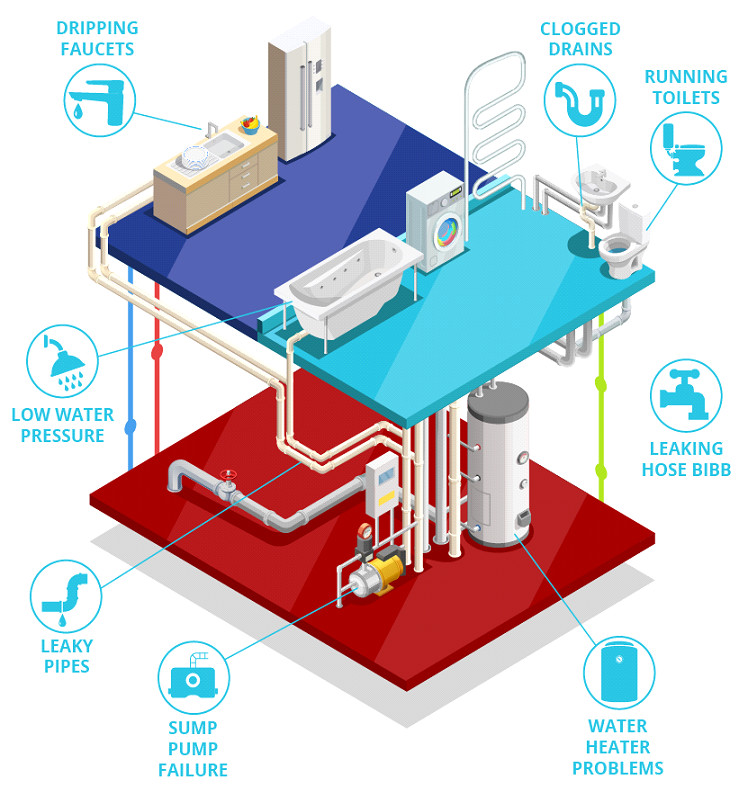
1. Dripping Faucets

Dripping faucets are annoying, wasteful, and costly. Sometimes, these drips can be caused by a worn-out washer or O ring, which can easily be replaced. In other cases, corrosion or even improper faucet installation can be the problem causing the drip.

If your faucet is dripping:

⦁ Use a drip calculator to find out how much that drip may be costing you.
⦁ Let our expert plumbers diagnose the problem if a simple washer or O ring replacement doesn’t fix your drip!

2. Leaky Pipes

Leaky pipes can be caused by all sorts of problems, including:

⦁ Stubborn clogs
⦁ Incorrect pipe laying
⦁ Pipe corrosion
⦁ Pipe joint damage
⦁ Cracked seals or cracked pipes
⦁ Excessive water pressure

No matter what’s causing leaky pipes, this common plumbing problem needs to be fixed fast! The longer leaky pipes are ignored, the more damage they can cause—both to your plumbing system and to your home itself!

3. Running Toilets

Did you know that a running toilet can waste up to 200 gallons per day? That’s a lot of water waste! In most cases, the issues that cause running toilets include:

⦁ Refill tube problems
⦁ Worn out flapper seals or flush valves
⦁ Improperly sized flapper chains
⦁ Corroded toilet handles

4. Low Water Pressure

Weak water pressure can make it challenging to use pretty much any plumbing system in your home! Often, low water pressure is a symptom of bigger plumbing problems, like:

⦁ Pipe corrosion
⦁ Hidden water leaks in your home
⦁ Drain or sewer clogs
⦁ Cracked or blocked sewer lines

5. Leaking Hose Bibb

A leaking hose bibb is very common in the spring and summer. After a long, cold winter, many hose bibbs that aren’t protected can crack and begin to leak. We advise our customers to invest in a frost-proof hose bibb, which can reduce the chances of having future leaks.

6. Slow or Clogged Drains

Drainage problems can cause health hazards and even plumbing disasters if they’re not addressed quickly! In general:

⦁ One slow or clogged drain in a home usually means that a problem is localized to that area of the home. Commonly, these drain clogs happen because hair, soap, and other foreign objects have simply built up in a drain over time. Routine drain cleaning can be the ideal solution for addressing this issue!

⦁ Multiple slow or clogged drains are a red flag that you may be dealing with sewer line problems. To prevent a sewage backup in your home, be sure to call a plumber from whenever you notice multiple slow drains in your home—especially if the problem starts with the drains in the lowest areas of your home!

7. Sump Pump Failure

Sump pump failures can be related to a problem with the unit or an external issue. Usually, the causes of sump pump failures include:

⦁ Stuck switches
⦁ An overwhelming amount of water, like after heavy rain
⦁ Clogged discharge pipes
⦁ Improper sump pump installation
⦁ Aging, with sump pumps around 10 years old being prone to failure

8. Water Heater Problems

Hot water is a necessity in any home. So, when water heaters can’t provide enough or any hot water, homeowners can be dealing with a plumbing crisis! Usually, water heater problems are caused by issues like:

⦁ Heating element failures
⦁ Corrosion or sediment buildup in systems
⦁ Loose or broken electrical connections
⦁ Improper water heater installation
⦁ The wrong size or type of system to support a home’s needs

The good news with all of these issues is that they can be prevented and/or easily fixed before they become a major issue. Be aware of the clues your plumbing might be giving you to potential problems. When you need some help, be sure to call and we will help you get your plumbing system back operating properly.…

Continue Reading

Common Issues Requiring a Professional Plumber’s Assistance

Posted on September 25, 2023 by Leon Soto

Common Issues Requiring a Professional Plumber’s Assistance

When you run into a plumbing issue in the home, your first instinct may be to try to fix it on your own. However, there are some issues that are better left to the professionals. As a homeowner, it is essential to know the limits of your skills and when to call in an expert. Here are a few common plumbing problems that likely require the services of a local professional plumber.

Leaking Pipes

One frequent plumbing issue you may run into is a leaky pipe. This is a serious issue that, when ignored, can cause water damage to your walls, ceiling, floors, and other possessions. The water damage will only worsen the longer you leave the issue untreated. Eventually, the water could cause mold growth, foundation damage, and other structural damage to your home. With so much at stake because of a leaking pipe, this is a problem that is best handled by a professional who can fix the leak quickly.

Low Water Pressure

Suboptimal water pressure can be an issue of its own or a sign of a more severe problem. If you notice that the water pressure is lower than it ordinarily is, there are steps you can take before calling a professional. Take out the faucet’s aerator and clean it to remove any deposits. If the water is still trickling out, contact a plumber. Low water pressure can be caused by a clogged pipe, water supply problem, leaks, or incorrectly-sized pipes, all of which must be addressed by an expert.

Clogged Drains

Some homeowners may have the skills needed to unclog a drain or a toilet. However, if you are not confident in your expertise, you should always contact a professional. You should also hire a plumber if you suspect there are multiple clogged drains in your home. A clog that is deep within your plumbing could be causing the back-ups around the house, which would require specialized equipment and knowledge to repair.

Leaking faucet

Leaking Faucets

Tightening a leaking faucet will only serve as a temporary fix to a more complicated problem. Faucets are made of many small pieces. If one of those pieces breaks, it could cause the faucet to leak. A plumber can detect the cause of the leak and repair it, saving you a lot of time, trouble, and money on your water bill.

Water Heater Leak

Homeowners can also experience leaks in their water heaters. This sort of leak often goes unnoticed until you see your electric and water bills increase. A leaking water heater can be caused by sediment in the water settling in the heater. Over time, the residue can damage the heater and result in a leak. With a problem like this, it is always better to hire a plumber to help.

Plumbing problems can occur at any time. If you run into any of these common issues, be sure to contact a professional plumber for assistance. They have the experience and skills to repair the issue the right way and prevent similar problems in the future.…

Continue Reading

3 Plumbing Questions To Ask Before Buying a New Home

Posted on July 17, 2023 by Leon Soto

3 Plumbing Questions To Ask Before Buying a New Home

3 Plumbing Questions To Ask Before Buying a New Home

Buying a new house is a stressful job but making sure everything is in good working order can stand as a real challenge. The plumbing system is one of the most important parts of the house; having faulty plumbing can cost you a lot of money and have you feeling stressed.  What are the top 3 plumbing questions to ask?


Let’s jump on to the topic and look at the top questions to ask about the plumbing in a new home before you can feel confident in the results. Make sure to ask these questions and get a proper answer with proof to ensure everything is working good. The questions are written below:

  • Question 1: Are there details on the sewer line? it is best if it is replaced. If it isn’t replaced, inspect it properly to ensure no blockage and waste can smoothly leave your house. If you don’t check this, it can cost you thousands of dollars later in life.
  • Question 2: Have there been any leaks? This also includes asking when the original exterior line and interior waterline have been replaced. This might not seem like a major problem, but these small problems can lead to very big problems in the future.
  • Question 3: Are there details on the water heater? You know having hot water is essential. You should know what the condition of the water heater is and when it was installed. An old water heater can have plenty of problems along with costing more in bills. Therefore, make sure to have all the information regarding this.

Although these are the most important questions to ask, you should also ask more questions about the plumbing system to be entirely sure about its condition. You should ask about anything that should be known about the plumbing system inside and outside the house so that there is nothing left to ask.

Things you should check about the plumbing system before buying a new house

Yes, asking questions is important before buying a new house, but physical inspection is very important as well. As plumbing issues are the most common ones that new homeowners face, and we don’t want you to be another victim.

  • Mainly you should check for faucets all over the house to ensure all of them work properly and don’t have any leaks either. You should check for the water pressure, rust, and how long it takes for water to drain.
  • The condition of the water supply pipes is pretty important as well. Check whether the pipes are new or old, their condition, and what material they are made up of. Different materials work differently as pipes; some should be replaced more quickly than others.
  • You should check the basement as most problems arise in the basements or crawl spaces. Look for any water damage, leaky pipes, and incomplete repairing to see if there is any flooding issue as well.
  • Make sure to watch the toilets as well. Flush to see if it flushes properly and if there is any discoloration at the base. You should also be careful of rocking toilets as replacing toilets can be a hassle, and being careful beforehand is the best.

In conclusion, looking for a house is hard, but it gets easier if you know exactly what to look for and what to ask. Make sure to work hard to have the best quality house without any problems in the near future. If you would like a professional plumbing company to come out and inspect your new property for plumbing issues then contact us today!…

Continue Reading

9 Important Questions to Ask a Plumber Before Hiring

Posted on May 17, 2023 by Leon Soto

Important Questions to Ask a Plumber Before Hiring

Between 1950 and 2000, there was a 200% increase in water usage in the US. Seeing as water is a precious resource we should conserve, this upward trend is concerning.

So what can you do to do your part in conserving water? By hiring an excellent plumber who can both perform regular maintenance and prompt repairs.

But before you hire one, here are 9 important questions to ask a plumber.

1. Are You Licensed?

The is the most important question you should ask. While some people may have experience tinkering around with plumbing, they may not have the proper training or knowledge to fix bigger problems.

While yes, unlicensed plumbers can be cheaper upfront, they may cost you more in the long run when their work needs to be redone and/or it’s poorly done and completely ruins your plumbing.

Ask the plumber for their license number and you can look it up on your state government’s website to verify it’s a valid license.

2. How Many Years of Experience Do You Have?

Obviously, the more experience a plumbing company has, the better. Over time, they get to hone their skills; this means they can identify and repair issues more efficiently.

But another thing you need to ask is their experience in certain jobs, such as larger tasks like installing fixtures. If they do have experience in these things, then ask them for examples from their previous clients so you get a good idea of how well they’ll do the job for you.

3. Are You Bonded and Insured?

Not only should plumbers be licensed, but they should also be bonded and insured. An experienced plumber should be able to perform the job with no problems at all, but unexpected things do happen from time to time.

If it does, you want someone who’s bonded and insured so there’s coverage for any damage or injuries. It can save you a whole lot of hassle in the future.

4. Can You Give Estimates in Writing?

Most of the time, plumbers can give you ballpark estimates over the phone. For any that give you firm estimates without assessing your property, this may be a red flag.

If they’ve seen your home and understand the scope of the project, then the estimate shouldn’t be too far off from the final price. Make sure to get the estimate in writing in case any disputes come up.

Should the job take longer than expected, be prepared for the plumber to charge more for their services in that extended duration.

5. Can You Provide References?

Treat your search for a plumber like a job interview. What do interviewers ask potential employees for? That’s right: references.

References are a great way to gather the opinions of previous clients and can also show you the scope of the work that plumber’s done before. You can also check with online review sites or with the Better Business Bureau for testimonials as well.

6. How Do You Charge Your Clients?

Typically, you’ll pay a flat fee for smaller jobs, such as repair for a leaky faucet. But if you’re going through a home renovation and need work on a huge project, there may be different ways of payment required.

For instance, some may allow you to pay in installments; you’d pay some initially, more when the job starts, and the final balance at the end of the project. Or they may require you pay with each milestone.

If you run into a plumber who wants the full amount upfront before any work’s done, then that’s a huge red flag and you should avoid working with them.

7. Do You Use Subcontractors?

A smaller plumbing company may use only their trusted staff for the jobs they work on. But bigger companies may hire subcontractors, which is totally fine.

You want a company that’s completely transparent with you; they should have no problem answering your question and providing you with all the information you need. If they seem to be dodging your questions about the labor they use, then that’s not a good sign.

8. Do You Include Cleanup Services?

You may assume that plumbers leave the job site how they found it: clean. But that’s actually something you have to ask of them!

In many cases, cleanup isn’t included in the bid, which means you’ll be left with a mess to take care of yourself. Be sure to read over the contract carefully and ask if cleanup is included.

If it isn’t, then it may be worth it to ask them to add cleanup services to it. Some companies may charge additional fees for cleanup, but it’ll be well worth it when you can breathe easy after they leave.

9. Is the Work You Do Guaranteed?

The majority of reputable plumbers guarantee their work, but the terms will vary. Make sure you understand the terms before you hire them.

Don’t just take a verbal guarantee from a plumber; get it in writing. That way, should any problems arise with their work in the future, you can cite the written guarantee and get your money’s worth.

Ask a Plumber the Right Questions Before Hiring

You can save yourself a lot of trouble if you ask a plumber these 9 questions before hiring. Be sure to take your time and to trust your gut instincts.

If you don’t feel 100% comfortable with hiring them for any reason, then don’t feel obligated to commit to that company. Choose the plumber that’s right for your needs and budget!…

Continue Reading

The Dangers of Pouring Cooking Oil Down the Drain

Posted on March 2, 2022 by Leon Soto

Image_1.jpeg

THE DANGERS OF POURING GREASE DOWN THE DRAIN

Cooking oil is one of the most frequently used items in a kitchen… But many don’t know why you can’t pour grease down the drain. Click here to learn why.

Keyword(s): grease down drain


There’s nothing like waking up to the smell of bacon in the morning or walking into a kitchen that’s been frying up a bunch of savory bites for their customers. But, as delicious as the results of cooking with grease can be, you have to be careful how you dispose of it.

Pouring grease down the drain can create many serious problems for you and your neighbors. Such issues are easily avoidable with the right cooking oil management techniques. But, all it takes is a bit of carelessness to cause a big issue.

Here are three things that can happen as a result of pouring oil down the sink.

1. Sewer Clogs

Everything that goes down the sink ends up in a sewer, which is mostly composed of water and waste. However, it’s no secret that oil and water don’t mix.

When you pour cooking oil and other forms of grease down the drain, you’re sending down a compound that can clog the flow of water. Clogs happen when multiple groups of carelessly disposed-of oil join together. These happen so frequently and they’re so problematic that they actually have a name – a fatberg.

There’s no telling how big fatbergs can become in sewer lines. Their size – and consequently, how much water flow they clog – depends on how long these issues go unidentified and untreated. But, contributing to the amount of oil in the sewer definitely doesn’t help.

2. Raw Sewer Spurts

As more and more fatbergs clog up the sewers, there’s a bigger chance of raw sewer water and waste coming up the pipes you previously poured grease down.

This is pretty much the only way for the sewer to relieve the pressure of the water and waste that build up when oil clogs the pipes. If the waste can’t go out and be treated, it’s going to pump back up and create a sanitary issue in your home or restaurant.

3. Threats to the Local Water Treatment Process

Ideally, there would be no fatbergs in the sewer lines and the water treatment process would be a breeze. When the presence of grease and other non-dissolving materials enter the sewage lines, though, water treatment takes much longer. It also isn’t as efficient because there’s so much more waste to process and take care of.

This can significantly compromise the quality of the local water supply. Keep in mind that “local” may mean your apartment building, your city block, or the whole town! This depends on how many people are pouring grease down the sink and how often.

Stop Pouring Grease Down the Drain

While you can’t change the effects of grease that has already been poured down the drain, you can act now to create better waste management habits in your kitchen. Even if you think everyone else in the neighborhood pours grease down the drain, your sanitary processes can make a big difference.

Click here to discover a better way to get rid of the grease in your kitchen.

 …

Continue Reading

Hiring a Contractor Checklist and Tips

Posted on February 15, 2022 by Leon Soto

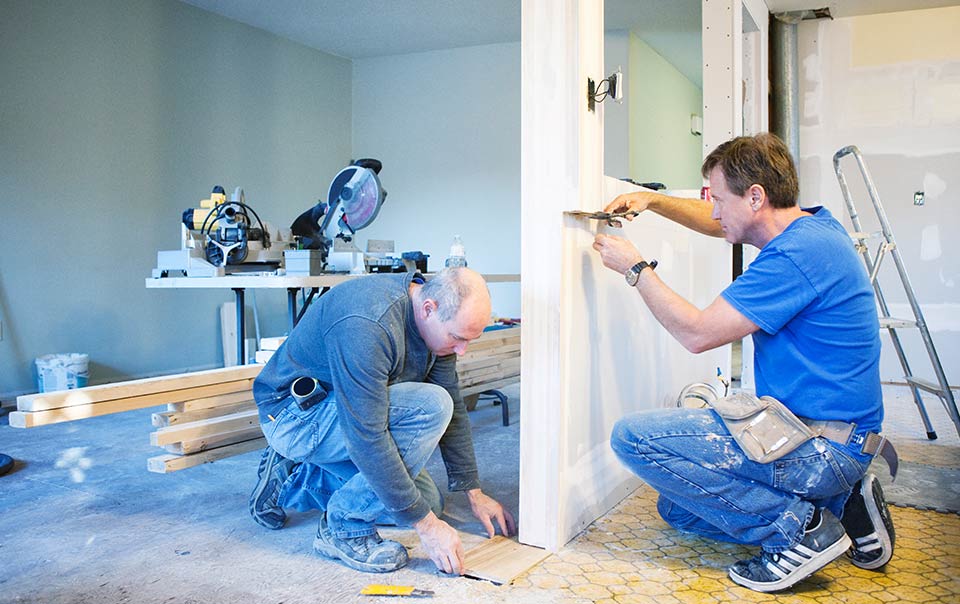
Two contractors working on kitchen project

As you plan your next home renovation project, choosing the right contractor for the job is a critical first step in your planning process. You want to make sure you vet the quality of their work in advance, spell out in writing what work you want to perform and agree upon the scope of the project, and inquire whether the contractor is properly licensed and insured in case something goes wrong.

This checklist compiles the top 10 tips to consider when selecting a contractor:

1. Get Multiple Estimates

Talk to several contractors and get written estimates from at least three. Make sure you’re comparing apples to apples when you get multiple estimates. Look at building materials, work methods, timelines, and other factors that may vary by contractor. Be cautious of estimates that are too high or too low.

2. Hire Local, Licensed Contractors Whenever Possible

Local contractors are easier to contact if problems develop with the work in the future, and they are more likely to be familiar with building codes in your area. Ask the contractor for their local, physical address. Be suspicious of anyone who goes door-to-door or refuses to leave a contract overnight.

3. Check Their Past Work

How has their work turned out in the past? Do they specialize in the kind of work you want to be done? Check references about the quality of their products, their workmanship, and their customer service. Inquire about their professional reputation and years in business with the Better Business Bureau. A contractor with more than five years of experience is preferable.

4. Take Your Time Making a Sound Decision

Get multiple bids before making a decision. Don’t be pressured into making an immediate decision, particularly with regard to signing a contract. Be cautious when asked to pay a large deposit upfront. Make sure to read the fine print on all estimates and contracts. If you’re having emergency repairs done and don’t have time to thoroughly research a contractor, ask neighbors, family or friends to see if they have had a good experience with an emergency services contractor.

5. Check Their Insurance and Bonding

Make sure the contractor is properly insured and bonded. Ask the contractor for a certificate of insurance (COI), which should provide the name of the insurance company, policy number and policy limits the contractor carries. You can contact the insurance company directly to verify the coverage and make sure the policy is still in effect. Do not do business with a contractor who does not carry the appropriate insurance coverage. If the contractor is not insured, you may be liable for accidents that occur on your property.

6. Get Everything in Writing

Secure a comprehensive contract before work begins. Get everything in writing, and make sure the contract is clear and well written. Consider having a lawyer review the proposed contract for your protection before you sign it if the project involves substantial costs. The contract should include:

  • A detailed description of the work to be completed and the price of each item.
  • A payment schedule – for example one-half down and one-third when work is partially completed, and the balance due upon completion of repairs.
  • The estimated start date and completion date on larger projects.
  • Any applicable guarantees should be written into the contract and clearly state what is guaranteed, who is responsible for the guarantee, and how long the guarantee is valid.
  • Signatures from both parties. You should never sign a contract containing blank sections.

Changes to the contract should be acknowledged by all parties in writing. Ask the contractor for confirmation that he or she has obtained all applicable building permits. If you decide to cancel a signed contract, you should follow the contract’s cancellation clause. Written notification of the cancellation should be sent by registered mail to ensure you have proof of the cancellation.

7. Understand Your Right to Cancel

Federal law may require a “cooling off” period, in which you can cancel the contract without penalty. Check with the Federal Trade Commission and the laws of your state to understand your rights. Be sure to follow applicable rules during the cooling-off period. If you do cancel, consider sending the notice of cancellation by registered mail to ensure you have proof of the cancellation.

8. Don’t Pay Up-Front

Don’t pay for the entire project before it is completed. Make sure you make checks payable to a company, not an individual and do not pay in cash. For larger projects, it is standard practice to pay one-third of the estimated costs as an initial payment. That way, you can retain your cashed check as a receipt.

9. Anticipate Delays

Delays happen, and may not be the fault of your contractor. In spite of the timeline outlined in your contract, circumstances such as weather may prevent the work from remaining on schedule. Be realistic and prepare to adjust your plans accordingly.

10. Keep a Job File

Keep your contract and all the supporting documents in one folder. Your file should also contain any change orders, plans and specifications, bills and invoices, canceled checks, certificates of insurance, and any letters, notes, or correspondence with the contractor.

Learn more about MTI Contractors | Plumbing | HVAC | Roofing | Pest Control or if you’re ready to take the next step, click here to get a quote or find an agent.…

Continue Reading
  • Previous
  • 1
  • 2
  • 3
  • 4
  • 5
  • 6
  • Next

Categories

  • Blogging
  • Commercial Roofing
  • Pest Control
  • Plumbing Company
  • Roofing
  • Standy Power

Recent Posts

  • The Ultimate Guide to Choosing the Right Marketing Company in Charlotte
  • Top Marketing Companies in Charlotte: How to Choose the Right One
  • Unlocking Growth: How a Marketing Company in Charlotte Can Elevate Your Business
  • Finding the Right Marketing Company in Charlotte: A Guide for Local Businesses
  • Tools Plumbers Use To Unclog Drains

Top Ranking Service Providers

©2026 MTI Contractors | Plumbing | HVAC | Roofing | Pest Control | Theme: Wordly by SuperbThemes